-
PEACOCK STONE
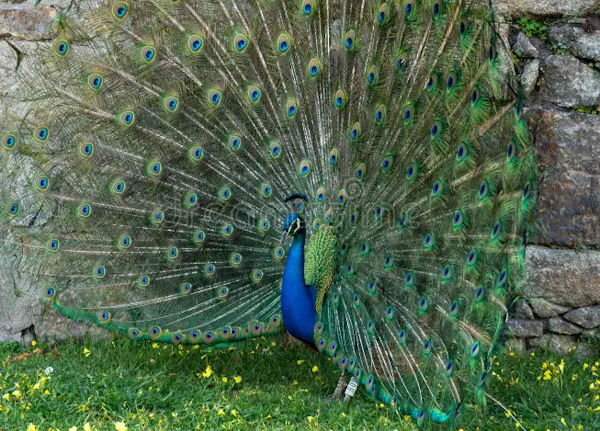
What new age users call “Peacock stone” is the mineral Bornite. It is a vibrant, iridescent copper iron sulfide mineral renowned for its metallic tarnish, often displaying blues, purples, and golds. It gets its unofficial name because the vibrant colors are said to resemble the colors of a peacock’s feathers. Commonly sold in its raw…
-
LAPIS LAZULI
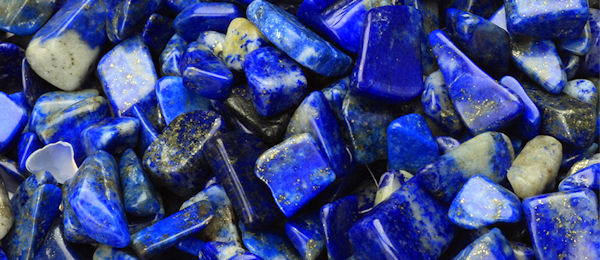
Lapis lazuli is a deeply prized metamorphic rock known for its royal blue color. Its been popular for jewelry, pigments, and art since at least 4000BC. Primarily composed of lazurite, calcite, and pyrite today almost all of the Lapis Lazuli that you see is sourced from central asia but there are other minor areas like…
-
GREEN CALCITE
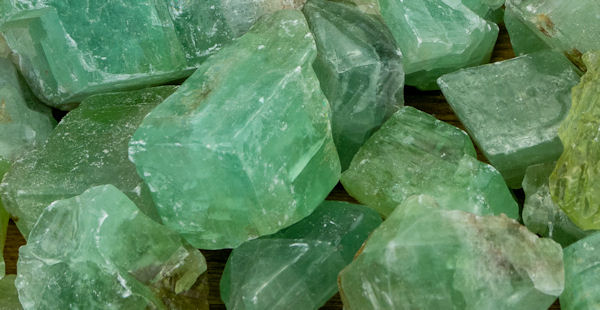
Green Calcite is a light apple-green type calcium carbonate. It is known as a “stone of renewal” that promotes emotional healing, compassion, and mental refreshing. It is a soft stone (Mohs hardness 3) It is commonly used in crystal healing for the heart chakra and to encourage relaxation and optimism. Well often show fluorescence pink…
-
HOWLITE
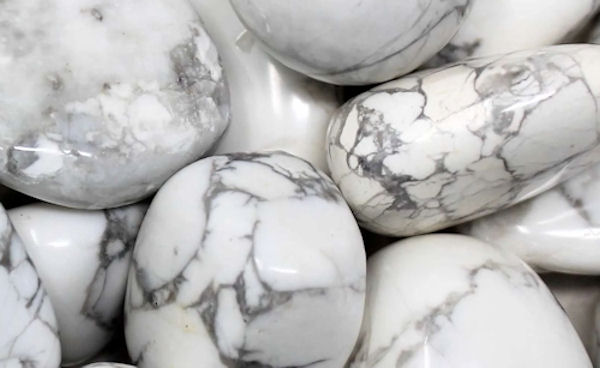
Howlite is a soft, porous mineral known for its chalky white color with grey or black, spiderweb-like veins. Discovered in 1868 in Nova Scotia the main commercial deposits are in California and Nevada. It is soft and porous making it easy to dye various colors – but is often dyed various shades of Blue or…
-
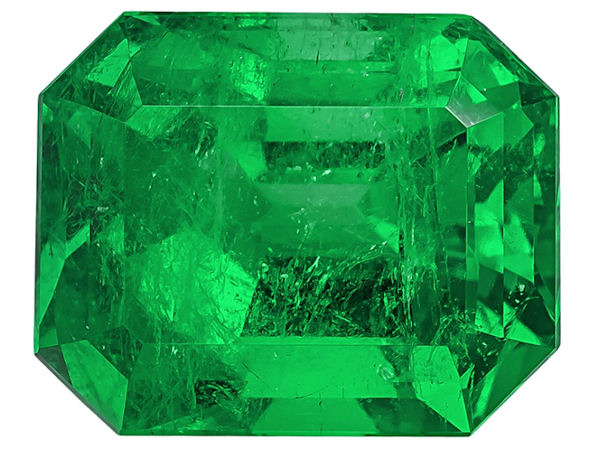
EMERALD
Emerald is a vibrant green variety of Beryl – the green color comes from trace amounts of trace amounts of chromium or vanadium. One of the most highly prised gemstones is the birthstone for May and wears well because of a hardness of 7.5 to 8 on mohs scale.. Important sources of emeralds are found…
-
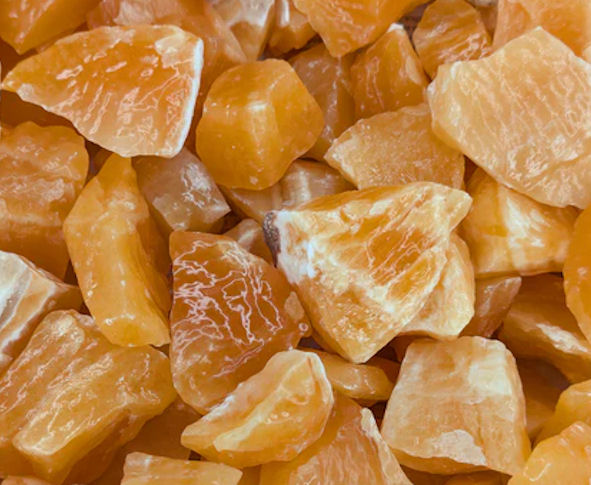
ORANGE CALCITE
Orange Calcite is a vibrant calcium carbonate mineral found primarily in Mexico, Peru, Brazil and Madagascar. It is known for its brilliant orange hue, often created by hematite inclusions. It is a soft stone with a 3 on the Mohs hardness scale and particularly in Mexico often found in massive chunks. It is commonly used…
-
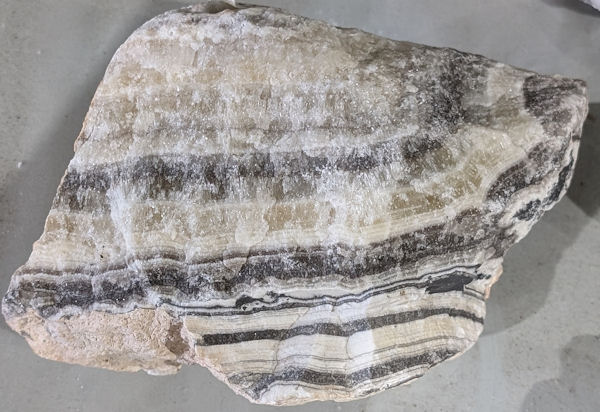
WHITE RIBBON CALCITE
White ribbon calcite is formed in caves and often has layers and bands. It is a white-to-creamy color calcium carbonate mineral often found with Limestone. It is soft (3 on mohs scale). Sometimes samples will be fluorescent. Industrial uses include making paint. It is found world wide including the USA, Brazil, Iceland and Mexico. For…
-
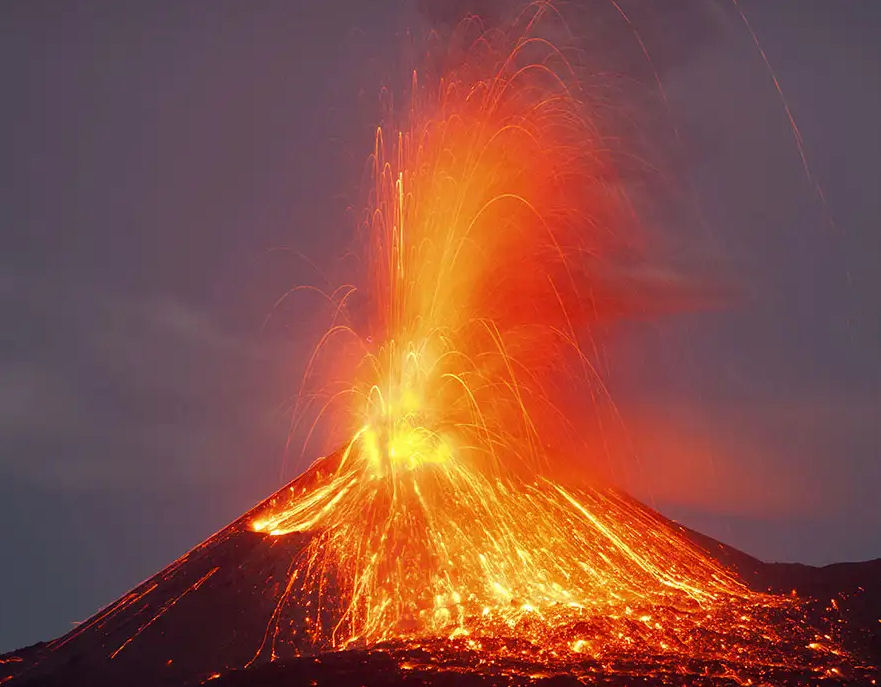
AGNI MANITITE WISH STONES
Hindu Chintamani Wish stones AGNI MANITITE OBSIDIAN AGNI MANITITE gets its name from the term “Agni Mani” meaning “pearl of the divine fire” in ancient Sanskrit. The stones were formed around 700,000 years ago in the largest volcanic eruption in the last two million years and one of the largest volcanic eruptions in the history…
-
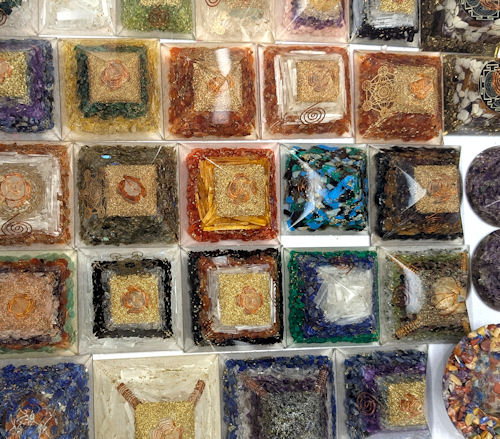
ORGONITE
Orgone is a name given to an energy of nature which is found everywhere and is also called Ch’i or Prana. As a natural energy it is depleted in an unnatural City environment. The name was coined by Wilhelm Reich – a psychoanalyst who believed that his patient’s problems arose from blocked energies and found…
-
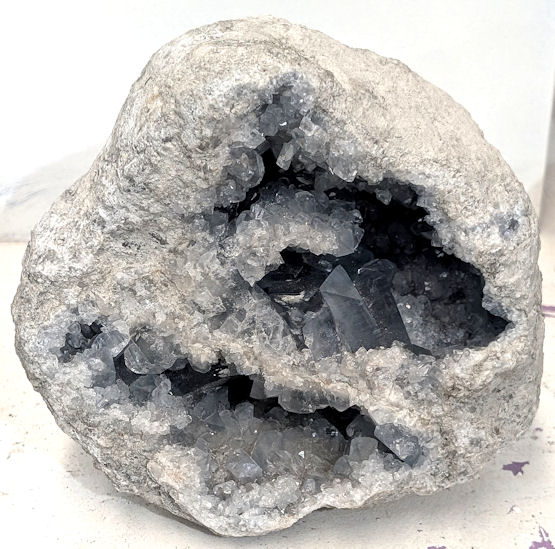
CELESTITE
Most Celestite that you see today is found in Madagascar but it wasdiscovered in Europe in 1799. It gets its name from the latin wordcoelestis – which means “Celestial And heavenly”. It is minedcommercially for its strontium content – a mineral commonly used tomake fireworks and various metal alloys. For new age purposes it isconnected…
Welcome to Brisbane’s best crystal and Collectibles shop




NOTE: WE WELL BE CLOSED JUNE 24th to JULY 18th
Warehouse #5, 10 Kabi Circuit, deception Bay QLD. Open 10-4 – Wednesday to Saturday
